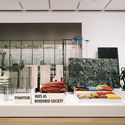
The Barcelona Pavilion, an Instrument of Expression: 10 Interventions to Reflect on Contemporary Architecture

Subscriber Access

In 1929, Ludwig Mies van der Rohe and Lilly Reich design the German National Pavilion for the 1929 Barcelona International Exhibition. The official reception for the exhibition was held there, presided over by King Alfonso XIII and the German authorities. From then on, the story is well known to everyone. A symbolic work of the Modern Movement, the Pavilion has been extensively studied and interpreted, and has inspired the work of several generations of architects.

The Barcelona Pavilion, an Instrument of Expression: 10 Interventions to Reflect on Contemporary Architecture - Image 9 of 10
Pabellón de Alemania en Barcelona. Image via ©Flickr: usuario-estudio campo baeza. Used under Creative Commons.
Content Loader

Image gallery

See allShow less
About this author
Cite: Barczuk Pasamán, Elías. "The Barcelona Pavilion, an Instrument of Expression: 10 Interventions to Reflect on Contemporary Architecture" [El Pabellón de Barcelona, un instrumento para decir: 10 intervenciones para reflexionar sobra arquitectura contemporánea] 25 Jan 2022. ArchDaily. (Trans. Pérez Bravo, Amelia) Accessed . <https://www.archdaily.com/975378/the-barcelona-pavilion-an-instrument-of-expression-10-interventions-to-reflect-on-contemporary-architecture> ISSN 0719-8884

Pabellón de Alemania en Barcelona - Mies missing materiality. Image © Adrià Goula

反思当代建筑,巴塞罗那展馆的10项干预措施

You've started following your first account!

Did you know?

You'll now receive updates based on what you follow! Personalize your stream and start following your favorite authors, offices and users.